
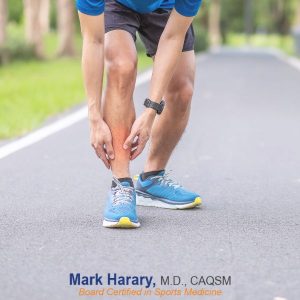
Shin splints, also called medial tibial stress syndrome, are a common cause of lower leg pain in athletes and active individuals. The condition develops when the tendons, muscles, and bone tissue around your shin bone (tibia) become inflamed due to overuse. The pain is typically felt along the front or inside of the lower leg, especially during running, jumping, or other repetitive physical activity.
Shin splints are not only painful but can also limit your ability to stay active if left untreated. In more severe cases, untreated shin splint pain may progress to a stress fracture of the shin bone.
Symptoms of Shin Splints
The most common symptoms of shin splints include:
-
Pain along the shin bone (front of the lower leg)
-
Tenderness or soreness on the inside of the shin
-
Swelling in the lower leg
-
Pain that worsens during or after exercise
-
Aching discomfort that improves with rest
Because shin splints can mimic other injuries such as stress fractures, it’s important to see a sports medicine specialist for an accurate diagnosis.
Causes and Risk Factors for Shin Splints
Shin splints are caused by repetitive stress on the shin bone and surrounding tissues, leading to irritation and inflammation. Common risk factors for shin splints include:
-
Sudden increase in exercise routine or training intensity
-
Running and jumping on hard surfaces
-
Wearing improper or worn-out running shoes
-
Flat feet or poor arch support
-
Weakness in lower leg muscles

-
Activities that cause repeated stress on tendons and bone tissue
Treatment Options for Shin Splints
Most cases of shin splints can be successfully managed with non-surgical treatment and activity modification.
How Shin Splints Are Treated:
-
Rest and activity modification – avoiding activities that cause pain
-
Ice therapy to reduce inflammation
-
Anti-inflammatory medications (ibuprofen, naproxen) to ease pain and swelling
-
Proper footwear and orthotics to correct foot mechanics
-
Physical therapy to strengthen lower leg muscles and improve flexibility
-
Gradual return to activity with an emphasis on proper running technique
-
Exercise on softer surfaces to reduce impact on the tibia
With proper care, most patients recover from shin splints within a few weeks.
How to Prevent Shin Splints
The best way to deal with shin splints is to prevent them from happening. Following these steps can reduce your risk:
-
Warm up and stretch before physical activity
-
Avoid sudden increases in training volume or intensity
-
Wear running shoes with proper arch support
-
Add orthotics if you have flat feet
-
Cross-train with low-impact exercise (cycling, swimming)
-
Always exercise on softer surfaces when possible
-
Ease back into activities after rest or injury
By learning how to prevent shin splints, runners and athletes can stay active while protecting their shin bones, tendons, and muscles from overuse.
Why Choose Dr. Harary for Shin Splint Treatment
As a board-certified sports medicine physician, Dr. Harary specializes in the diagnosis and treatment of shin splints and other lower leg injuries. He creates personalized treatment plans that combine sports medicine expertise, physical therapy, and advanced diagnostic tools to help patients recover safely and return to their activities.
ABOUT OUR DOCTOR
Dr. Mark Harary
Dr. Harary is an expert in treating concussions, osteoarthritis, fractures, and other acute injuries by employing the most up-to-date treatments for these conditions, including ultrasound-guided injections and PRP treatments.
Dr. Harary’s primary goal is to help patients return to and maintain active lifestyles.