
Treatment for Calcified Shoulder Tendonitis
Calcified shoulder tendonitis is a common condition that can cause significant pain and reduced mobility in the shoulder joint. As an experienced orthopedic specialist in Wading River, Long Island, Dr. Mark Harary offers comprehensive care for patients suffering from this condition. This article will explore the various treatment options available for calcified shoulder tendonitis, with a focus on the services provided at our Wading River location.
Understanding Calcified Shoulder Tendonitis
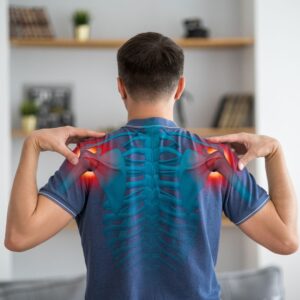
Calcified shoulder tendonitis, also known as calcific tendinopathy, is characterized by the formation of calcium deposits in the rotator cuff tendons. This condition typically affects individuals between the ages of 30 and 60, with a slightly higher prevalence in women. The exact cause of calcific tendonitis remains unknown, but it is believed to be related to wear and tear of the shoulder joint and the aging process.
Symptoms and Diagnosis
Patients with calcified shoulder tendonitis often experience:
- Sudden onset of intense shoulder pain
- Stiffness and reduced range of motion
- Pain that worsens with shoulder movement
- Disrupted sleep due to discomfort
- Tenderness over the rotator cuff area
To diagnose calcified shoulder tendonitis, Dr. Harary performs a thorough physical examination and may order imaging tests such as X-rays or ultrasounds to visualize the calcium deposits.
Conservative Treatment Approaches
At our location in Wading River, we prioritize non-surgical treatments for calcified shoulder tendonitis whenever possible. These conservative approaches include:
1. Pain Management
Non-steroidal anti-inflammatory drugs (NSAIDs) are often prescribed to alleviate pain and reduce inflammation. In some cases, Dr. Harary may recommend corticosteroid injections to provide more significant relief.
2. Physical Therapy
A tailored physical therapy program is crucial for restoring shoulder function and strength. Our Wading River facility offers comprehensive physical therapy services, focusing on:
- Range of motion exercises to prevent joint stiffness
- Strengthening exercises for the rotator cuff and scapular muscles
- Techniques to address scapular dyskinesia, which can contribute to shoulder impingement
3. Ultrasound-Guided Needle Lavage
This minimally invasive procedure, performed by Dr. Harary at our Wading River location, involves using ultrasound guidance to aspirate and wash out calcific deposits. A solution of normal saline and lidocaine is injected into the affected area, followed by aspiration to remove the deposits. This technique has shown satisfactory results in up to 70% of patients.
4. Extracorporeal Shock Wave Therapy (ESWT)
ESWT is an adjunct treatment that can be particularly effective for refractory cases of calcific tendonitis. This non-invasive procedure uses sound waves to break up calcium deposits, allowing the body to reabsorb them more easily.
 Surgical Interventions
 Surgical Interventions
When conservative treatments fail to provide adequate relief, surgical options may be considered. Our skilled orthopedic surgeons in Wading River offer advanced surgical techniques for treating calcified shoulder tendonitis.
Arthroscopic Decompression
Arthroscopy is a minimally invasive surgical procedure that allows the surgeon to view and treat the shoulder joint through small incisions. During this procedure, the calcium deposits are removed, and any associated damage to the rotator cuff is repaired. This approach typically results in faster recovery times and less postoperative pain compared to open surgery.
The Dr. Mark Harary Advantage
Choosing Dr. Mark Harary for your calcified shoulder tendonitis treatment offers several benefits:
1. Expertise: Our team of board-certified orthopedic specialists has extensive experience in treating a wide range of musculoskeletal conditions.
2. Comprehensive Care: From initial diagnosis to post-treatment rehabilitation, we offer a full spectrum of orthopedic services at our Wading River location.
3. Advanced Technology: Our facility is equipped with state-of-the-art diagnostic and treatment tools, ensuring accurate diagnosis and effective treatment.
4. Personalized Treatment Plans: We understand that each patient’s needs are unique, and we tailor our treatment approaches accordingly.
5. Convenient Location: Our Wading River office makes high-quality orthopedic care accessible to residents of Long Island and Suffolk County.
Prevention and Long-Term Management
While not all cases of calcified shoulder tendonitis can be prevented, there are steps patients can take to reduce their risk and manage the condition long-term:
– Maintain proper posture and ergonomics, especially during work and daily activities
– Engage in regular shoulder strengthening exercises
– Avoid repetitive overhead movements when possible
– Seek early treatment for shoulder pain to prevent progression of the condition
When to Seek Treatment
If you’re experiencing persistent shoulder pain, stiffness, or reduced range of motion, it’s essential to consult with an orthopedic specialist. Early intervention can often lead to more effective treatment outcomes and prevent the progression of calcified shoulder tendonitis.
Discover Relief Today
Calcified shoulder tendonitis can significantly impact your quality of life, but with the right treatment approach, relief is possible. Dr. Mark Harary and our team of skilled orthopedic specialists are committed to providing comprehensive, patient-centered care for all your orthopedic needs.
Whether you require conservative management or more advanced interventions, our Wading River facility offers the expertise and technology needed to address your calcified shoulder tendonitis effectively. Don’t let shoulder pain limit your activities – schedule an appointment with Dr. Harary today and take the first step towards improved shoulder health and function.
Remember, early diagnosis and treatment are key to managing calcified shoulder tendonitis successfully. Trust the experienced team of Dr. Mark Harary to guide you through your treatment journey and help you regain your shoulder mobility and comfort. Contact us today.